You’ve bought shea butter that promised to fix your dry skin, your brittle ends, your stretch marks – and it just sat there. Thin. Not that ivory, slightly nutty-smelling stuff your grandmother swore by. More like a pale, odourless lotion base that melted the second it hit your palm.
Here’s the uncomfortable truth: a lot of what’s sold as “shea butter” barely resembles what comes out of the process that actually earns that name. Once you understand what real shea butter goes through before it reaches a jar, you’ll never look at a label the same way again. (There’s footage of the real process below if you’d rather see it than just read it.)
Here’s exactly how it happens, start to finish.
Step 1: It Starts With a Tree That Refuses to Be Rushed
You know that feeling when something good just can’t be sped up – a slow-cooked soup, making pounded-yam, making garri from raw cassava, a child growing up? Shea trees (Vitellaria paradoxa) work on that same stubborn timeline. They grow wild across a band of West and Central Africa known as the “Shea Belt,” and a single tree can take up to two decades before it produces its first fruit.
That’s part of why well-sourced shea butter costs what it costs.
The Country Most People Don’t Realise Leads This Industry
If your first guess for “where does shea butter come from” was Ghana or Burkina Faso, you’re not alone. Nigeria rarely gets the credit it’s actually due here. It’s the single largest shea-producing country in the world, responsible for roughly 40–50% of global output. We’re talking hundreds of thousands of tonnes of shea nuts a year, with some estimates putting potential output as high as 800,000 metric tonnes. Shea trees grow wild across roughly 21 of Nigeria’s 36 states, spread through the country’s savannah belt.
Here’s why that’s worth knowing: the next time you see “ethically sourced shea” on a skincare or haircare product label, there’s a real chance the story behind it starts right here.
Step 2: The Nut Has to Earn Its Way Out of the Shell
Picture a woman crouched at dawn, gathering fruit that fell overnight. That’s step one on the ground. The sweet green pulp around the shea nut gets peeled off and eaten or discarded, leaving just the hard shell holding the seed everyone actually wants.
The nuts are boiled next, not for flavour but to stop mould and keep the seed from sprouting. Then they’re spread in the sun for days, until the kernel inside shrinks away from its shell and cracking becomes possible.
Long before any “processing” begins, days of manual labour have already gone into just getting the nut to a crackable state.
Step 3: Cracking, Sorting, and the Roast That Gives Shea Its Signature Smell
Ever wonder why some shea butter smells faintly smoky and nutty, while other tubs smell like nothing at all? Here’s where that comes from.
Once dry, the shells are cracked by hand with stones or small pestles. No machinery. The kernels are sorted, and any shea nut that’s spoiled or has mould gets tossed out. The clean shea nuts are what’s left. They are crushed into smaller pieces, then roasted over an open wood fire. That roast breaks down the plant cells so the fat can be released later, and it’s what gives traditional, unrefined shea its warm, smoky aroma.
What that means to you: If your shea butter has zero scent, that’s not a sign of purity. Often, it’s a sign the roasting step never happened, or the aroma was stripped out afterward.
Step 4: The Part No Machine Does As Well – Hand-Kneading
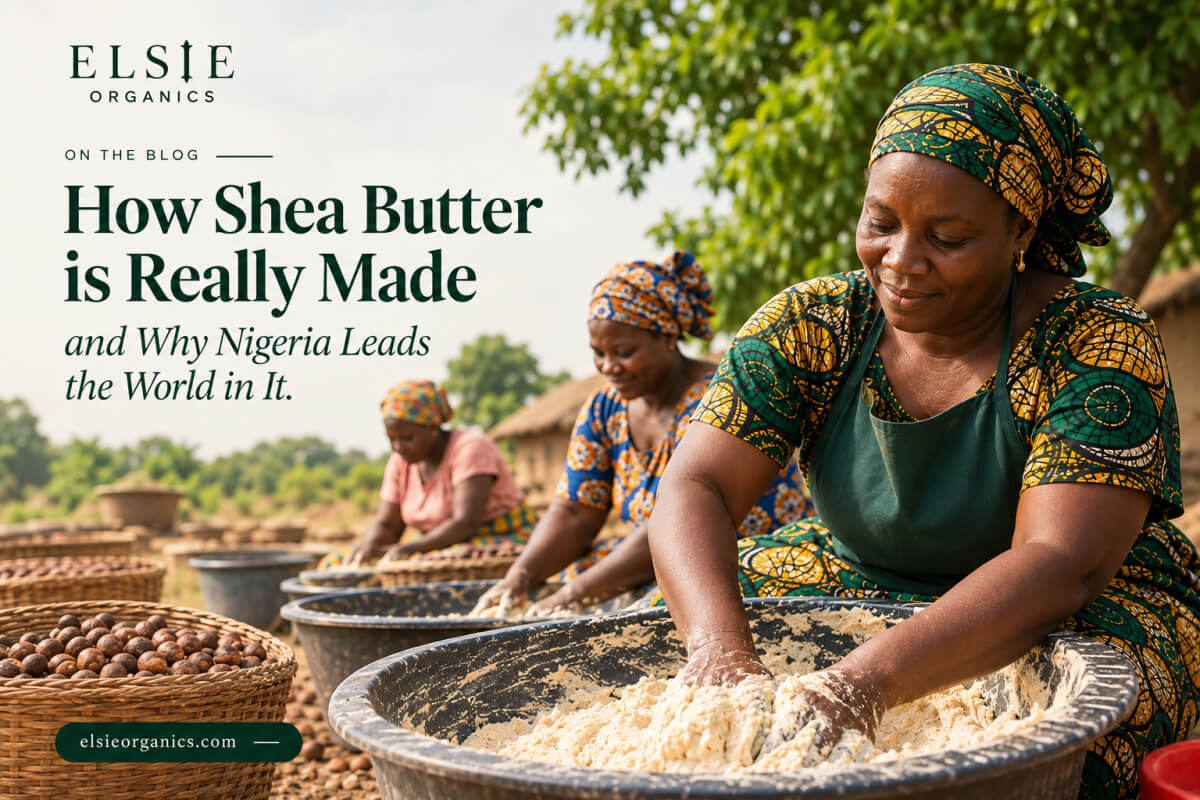
This is where real, traditionally made shea starts pulling ahead of most of what’s mass-produced. The roasted kernels are ground into a thick paste, mixed with water, and kneaded by hand for hours. It’s an exhausting, rhythmic work – village women churning the paste until the fat finally starts separating from the heavier solids.
Here's the trade-off worth knowing: machine extraction actually pulls out more oil overall, often 45% or more of what's available in the nut. But that efficiency comes at a cost. The higher heat and, often, chemical solvents involved strip away a large share of the natural compounds that make shea butter worth using in the first place, sometimes retaining as little as half of them. Traditional hand-processing extracts less oil per batch, but preserves close to all of those same healing compounds.
“Labour-intensive” isn’t marketing language here. It’s the literal reason the raw, unrefined shea butter you’re holding turned out creamy instead of thin.
Step 5: Separating the Gold From Everything Else
As the kneading continues, a light, fluffy fat rises to the top of the water. It gets skimmed off, washed again to purify it, then melted gently over low heat. The heat evaporates any remaining water while the last bits of plant solids settle out and get skimmed away.
This step decides texture. Rushed or skipped washing is usually why some shea butter feels gritty instead of smooth.
Step 6: Cooling Into the Shea Butter You Actually Recognize
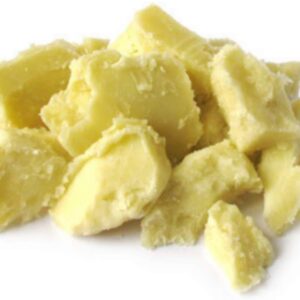
Here’s the part that finally looks like what’s sitting in your bathroom cabinet. The purified oil gets strained through fine cloth, then left to cool slowly in the shade. As it cools, it firms into that familiar ivory-to-pale-yellow, creamy texture that made you fall for shea butter in the first place – the kind you’ll find in our raw shea butter.
Watching it end to end makes the labour real in a way no description quite does. It’s worth a few minutes if you’ve read this far.
So, Back to That Jar That Let You Down
Remember the thin, odourless shea butter from the start of this post? Now you know why it disappointed you. It likely skipped the roast, the hand-kneading, or both – and those aren’t small shortcuts. Traditional processing gives up some yield precisely so the unrefined/ raw shea butter keeps more of what makes it effective. Leave that step out, and you’re not just skipping tradition. You’re leaving out the part that made the butter actually work.
The making of real shea butter is slow on purpose. That’s not a flaw in the process. It’s the whole point.
The making of real shea butter is slow on purpose. That’s not a flaw in the process. It’s the whole point.
FAQ: Frequently Asked Questions About How Shea Butter is Made
Why does my shea butter smell smoky?
That smell comes from roasting the crushed shea kernels over an open fire before grinding, a step that’s part of the traditional process. It’s a sign of authentic, unrefined shea rather than something to be concerned about.
Is white shea butter better than yellow shea butter?
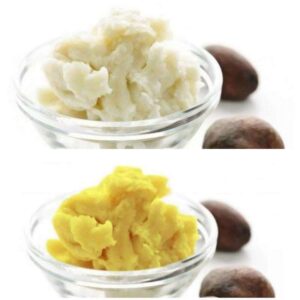
Not necessarily. Colour mostly comes down to how it was purified and sometimes the shea variety, not purity level. What matters more is whether it was traditionally processed (unrefined) or chemically extracted and bleached (refined).
Why is raw shea butter more expensive than refined shea butter?
Raw, traditionally made shea butter involves days of manual harvesting, roasting, and hours of hand-kneading, while refined shea is produced faster with machinery and chemical solvents. The labour difference is reflected directly in the price.
Is Nigeria really the biggest producer of shea butter?
Yes. Nigeria accounts for roughly 40–50% of the world’s shea nut output, more than any other country, with shea trees growing wild across about 21 of its 36 states.
Does handmade shea butter produce more oil than machine processing?
No. Machine extraction actually yields more oil overall, often 45% or more of what’s in the nut. But traditional hand-processing preserves far more of the natural nutrients and healing compounds, since it avoids the high heat and solvents that strip them out. It’s a trade-off: machines win on quantity, traditional methods win on quality.
By the way, if you ever want to see what unrefined shea butter like this actually looks and feels like before it’s diluted or blended into something else, that’s what’s sitting in our shop here at Elsie Organics. Not a sales pitch, just an option now that you know what to look for.
Written by Stella, founder of Elsie Organics, which has supplied cosmetic raw materials, raw and botanical skincare and haircare ingredients, including unrefined shea butter, to 7,000+ formulators and DIY makers since 2022.
Recommended products
-

Raw Cocoa Butter (Food Grade)
Price range: ₦2,800.00 through ₦900,000.00 -

Mango Butter (Unrefined)
Price range: ₦2,500.00 through ₦15,000.00 -

Raw Shea Butter (Unrefined)
Price range: ₦2,000.00 through ₦172,500.00 -
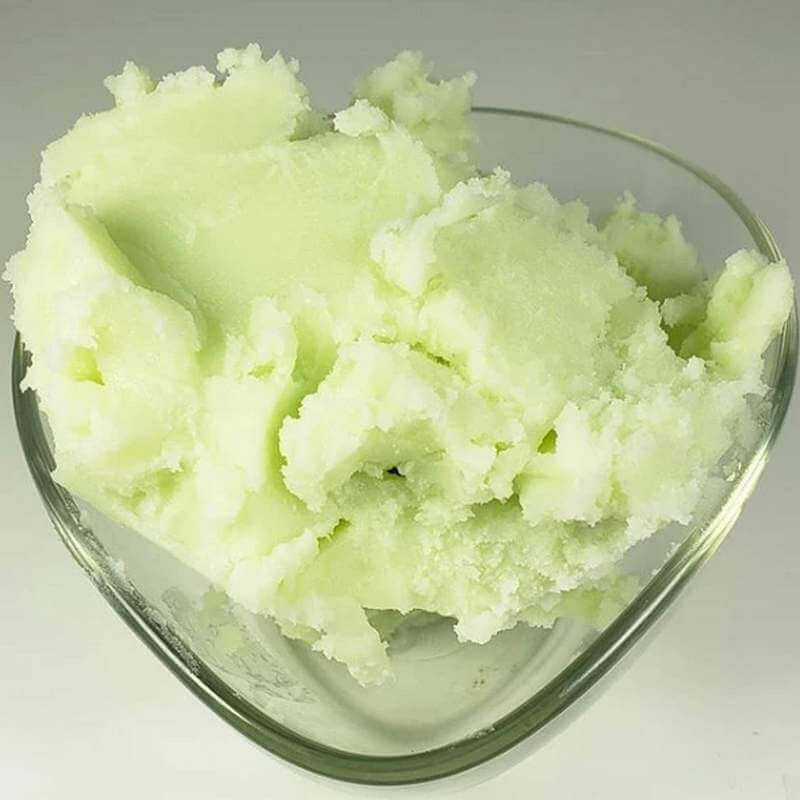
Unrefined Avocado Butter (Green)
Price range: ₦2,500.00 through ₦18,500.00