
Let’s be honest about something first.
You don’t Have a hair growth problem. You have a length retention problem.
You’ve done the water-only wash. You’ve slept in the bonnet. You trim on schedule, you deep condition, you’ve probably bought at least one product because an influencer swore it “changed her hair life.” And your hair is still the same length it was a year ago.
That’s not because you’re doing something wrong. It’s because you’ve been solving the wrong problem.
Here’s the thing nobody tells you early enough: your hair is almost certainly growing. It’s not stuck. Your follicles are doing their job. The problem is that whatever grows out is snapping, splitting, or thinning away before it ever gets the chance to become length. That’s not a growth issue – that’s a retention issue, and it’s a completely different fight.
The good news is that this fight has been fought before, for a very long time. Long before silicones and synthetic polymers became the default answer, Ayurvedic medicine was solving exactly this problem with plants. And when you actually put these herbs under a modern microscope, the science holds up.
So let’s get into it! What’s actually happening on a strand level, and which four herbs are doing the most work to help you keep what you grow.
The 4 Best Ayurvedic Herbs for Hair Length Retention
1. Bhringraj: the one that keeps hair attached to the root longer (Bhringraj Oil Benefits)
Picture your hair’s lifecycle as three stages: growing, transitioning, and resting. Every strand on your head is somewhere in that cycle right now, and the resting phase is where shedding happens.
Bhringraj’s whole job is to keep more of your hair in the growing phase, for longer. A study published in the Journal of Ethnopharmacology found that topical application of Bhringraj shortened the resting phase and extended active growth, meaning strands stay rooted and active instead of drifting toward shedding.
What that means for you: the longer a strand stays in growth mode, the more length it puts on before it ever sheds naturally. Less of your hair is quietly counting down to fall out; more of it is actively working toward your hair length retention goals.
2. Amla: the one that keeps your strands from snapping (Amla Powder for Hair)
Here’s a moment you already know: you’re detangling, you feel a strand catch, and then – snap. That’s not bad luck. That’s a strand that didn’t have enough elasticity to stretch under the tension, so it broke instead.
Amla is where you fix that. It’s dense with vitamin C, tannins, and fatty acids. Research shows it fights oxidative stress on the scalp while supporting collagen formation (and collagen is part of what gives your hair its structural backbone).
What that means for you: your hair is mostly keratin, and Amla helps reinforce that protein structure from the inside. Stronger strands don’t just resist damage, they bend under pressure instead of breaking. That’s the difference between hair that survives a wash day and hair that doesn’t. Hair breakage actually resets your progress.
3. Fenugreek: the one that ends the fight with your comb (Fenugreek for Hair Growth)
If detangling feels like a battle every single time, this is the herb solving that specific problem.
Fenugreek seeds release mucilage when soaked, a slippery, water-soluble substance that does exactly what it sounds like. Clinical evaluations have linked topical fenugreek to visibly smoother hair and less shedding, and the mechanism makes sense once you know it: most mid-shaft breakage isn’t dramatic. It’s friction. Strands rubbing against strands, against your comb, against your pillowcase, over and over, until something gives.
What that means for you: fenugreek coats the cuticle and adds real slip, so tangles slide apart instead of tearing apart. Less friction, less breakage, less dread every time you pick up a comb.
4. Brahmi: the one that protects your hair from the world outside (Brahmi for Hair)
Not every enemy is inside your hair care routine. Sun, pollution, and everyday environmental stress all chip away at hair protein over time; and Brahmi is the herb built for defense against exactly that.
It’s rich in compounds called Bacosides, shown to calm scalp inflammation and support follicle health. Quick heads-up if you’re shopping and not just reading, though: true Brahmi is Bacopa monnieri. Gotu Kola (Centella asiatica) gets mislabeled as Brahmi constantly – so check the botanical name, not just the front label.
What that means for you: by shielding the follicle and shaft from environmental damage, Brahmi helps prevent the weak points that eventually become split ends. It’s protection you don’t see working – until you notice you’re not fighting split ends every six weeks anymore.
The Quick “Cheat Sheet” (TL;DR)
If you’ve read all of this and your brain is spinning with botanical names, don’t worry, I’ve got you. If you just want to know which herb to grab based on whatever hair drama you’re dealing with today, here is the quick breakdown:
- If your hair is shedding or thinning: Start with Bhringraj. It keeps your hair in the active growth phase longer so it stays rooted in your scalp instead of accumulating in your brush.
- If your hair snaps when you detangle: Grab Amla. It’s basically structural backbone therapy for your strands, giving them the elasticity to bend instead of snapping under pressure.
- If your comb feels like an enemy weapon: You need Fenugreek. The natural slip coats your hair cuticle, letting tangles slide apart without a friction war.
- If you struggle with constant split ends: Shield your hair with Brahmi. It’s your ultimate defense against the sun, pollution, and daily wear-and-tear that chips away at your length.
How to actually put these to work
You don’t need to overhaul your entire routine overnight. Start here:
- Patch test first, always. Mix a small amount with water or oil, apply to your inner arm, and wait 24 hours before using it on your scalp or hair.
- Match the herb to the method:
- Oils: best for Bhringraj and Amla, whether as a pre-poo treatment or to seal in moisture
- Rinses or teas: best for Fenugreek and Brahmi, ideal for wash-day slip and scalp clarifying
If you want to try any of these for yourself, you’ll find all four in our shop/ website. We also carry a range of carrier oils and essential oils, if you’d rather infuse them yourself.
No pressure either way. Just wanted you to know exactly where to look when you’re ready.
Growth was never really your problem. Retention was. Now that you know the difference, every wash day is a chance to keep more of what you grow. instead of losing it before it counts.
By the way, we’re also on Instagram where we occasionally post tips and more. Follow us!
Your Turn to Fight for Your Length
Look, breaking the cycle of hair breakage doesn’t happen overnight. But now you know the secret that most of the hair care industry keeps trying to hide behind expensive, fancy-packaged bottles: your hair is already doing the hard work of growing. You just need to give it the defensive backup it needs to stay on your head.
Ayurvedic herbs aren’t magic, but they are backed by centuries of tradition and actual, modern science. Whether you start by infusing some Bhringraj oil or whipping up a slippery Fenugreek rinse, you’re finally fighting the right battle.
There you have it on the 4 ayurvedic herbs for hair length and retention.
I’d love to hear from you – which of these four herbs feels like the missing piece in your routine right now? Are you Team Amla to stop the snapping, or is Fenugreek
Frequently Asked Questions About Ayurvedic Hair Care
What’s the difference between hair growth and length retention?
Growth is how fast your follicles produce new hair. Retention is whether you actually keep what grows instead of losing it to breakage, splitting, or shedding before it gets long. Most people who feel “stuck” at one length don’t have a growth problem – they have a retention problem.
What’s the best Ayurvedic herb for hair breakage?
Fenugreek is especially effective for breakage caused by friction and tangling, thanks to the natural mucilage it releases when soaked. For overall strand strength, Amla is the stronger pick, since it supports the protein structure of the hair shaft itself.
Can you use Bhringraj, Amla, Fenugreek, and Brahmi together?
Yes. Each one addresses a different part of the retention problem. Bhringraj works on the growth cycle, Amla on strand strength, Fenugreek on friction, and Brahmi on environmental protection. Instead of overwhelming your hair with all four at once, many people rotate them or combine a few in oils and rinses rather than using just one in their weekly hair routine.
How do you use Ayurvedic herbs for hair growth and retention?
The two most common methods are infusing them into oils or making a water-based hair tea. Oil infusions are best for Bhringraj and Amla (perfect as a pre-shampoo treatment or scalp massage oil). Water rinses or teas are ideal for Fenugreek and Brahmi on your regular wash day. Just remember to always patch test a small area first to make sure your scalp loves them!
Can Ayurvedic herbs dry out my hair?
They definitely can if you aren’t careful. Many Ayurvedic powders (especially Amla) are mildly astringent, meaning they clarify and strengthen but can leave hair feeling a bit stiff if used raw with just water. The fix is simple: always follow up an Ayurvedic treatment with a deeply hydrating, moisture-based deep conditioner, or mix your herbal powders directly into a moisturizing base like aloe vera juice or coconut milk.
How often should I use Ayurvedic herbs for length retention?
Consistency is key, but you don’t want to overdo it. If you are using heavy, protein-mimicking herbs like Amla or Brahmi, treating your hair once or twice a month is the sweet spot. If you are using a super hydrating, slippery herb like Fenugreek as a tea rinse, you can safely use it weekly during your normal wash day routine. Listen to your strands – if they start feeling stiff, back off the herbs and dial up the moisture.
How long does it take to see results from Ayurveda?
Because we are talking about retaining length rather than forcing micro-growth from the scalp, you will actually notice some results almost immediately. You should see significantly less friction and hair fall during your very first detangling session with Fenugreek. For actual noticeable length retention (seeing your hair finally pass that “stuck” point), give your routine about 8 to 12 weeks of consistent love.
This is for informational purposes only. For medical advice or diagnosis, consult a professional.
Recommended products
-
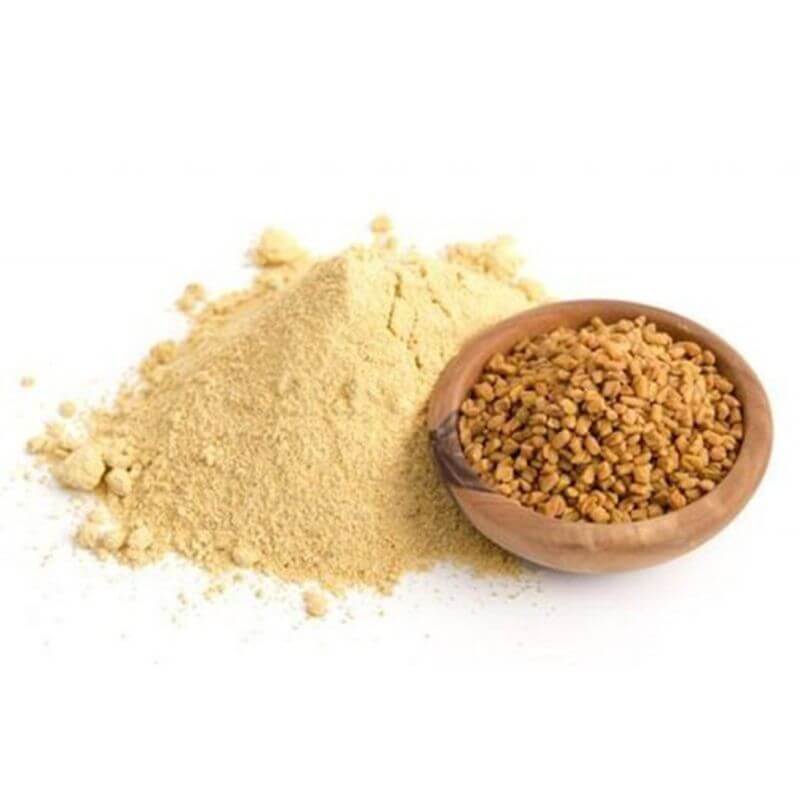
Fenugreek Powder (Methi)
Price range: ₦1,500.00 through ₦18,000.00 -
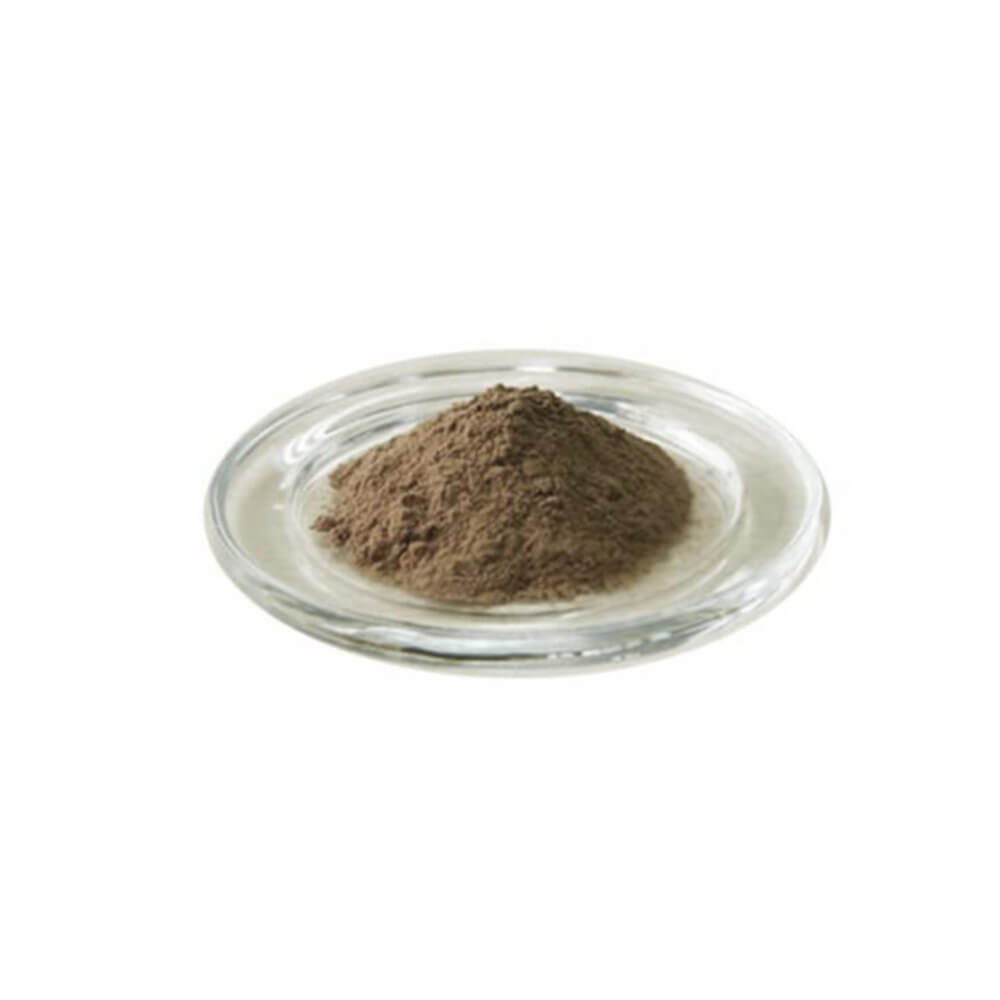
Bhringraj Powder – Eclipta Alba (Bringraj)
Price range: ₦3,000.00 through ₦28,000.00 -
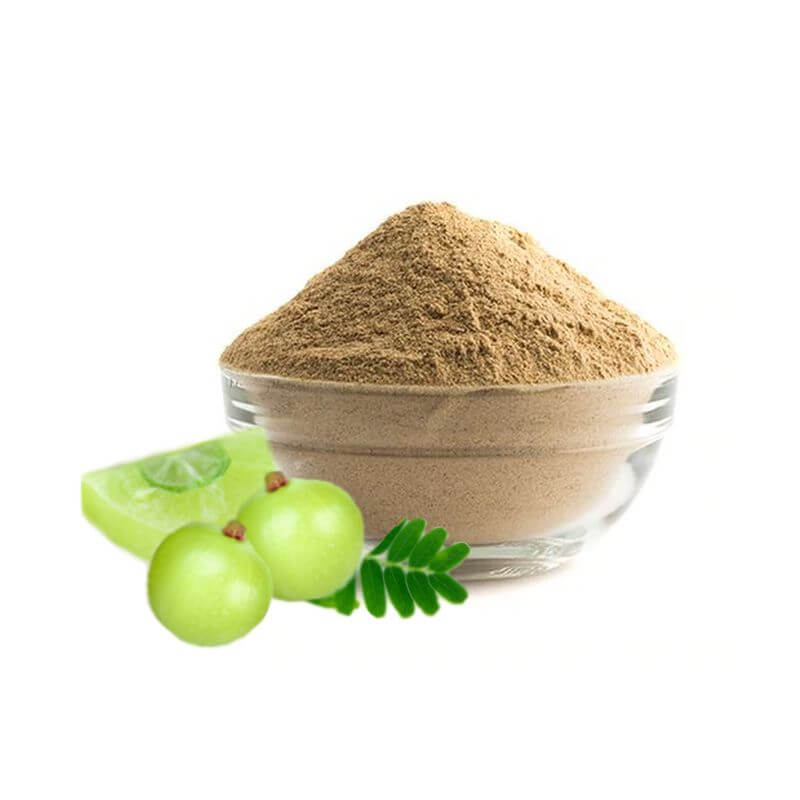
Amla Powder (Indian Gooseberry)
Price range: ₦3,000.00 through ₦55,000.00 -
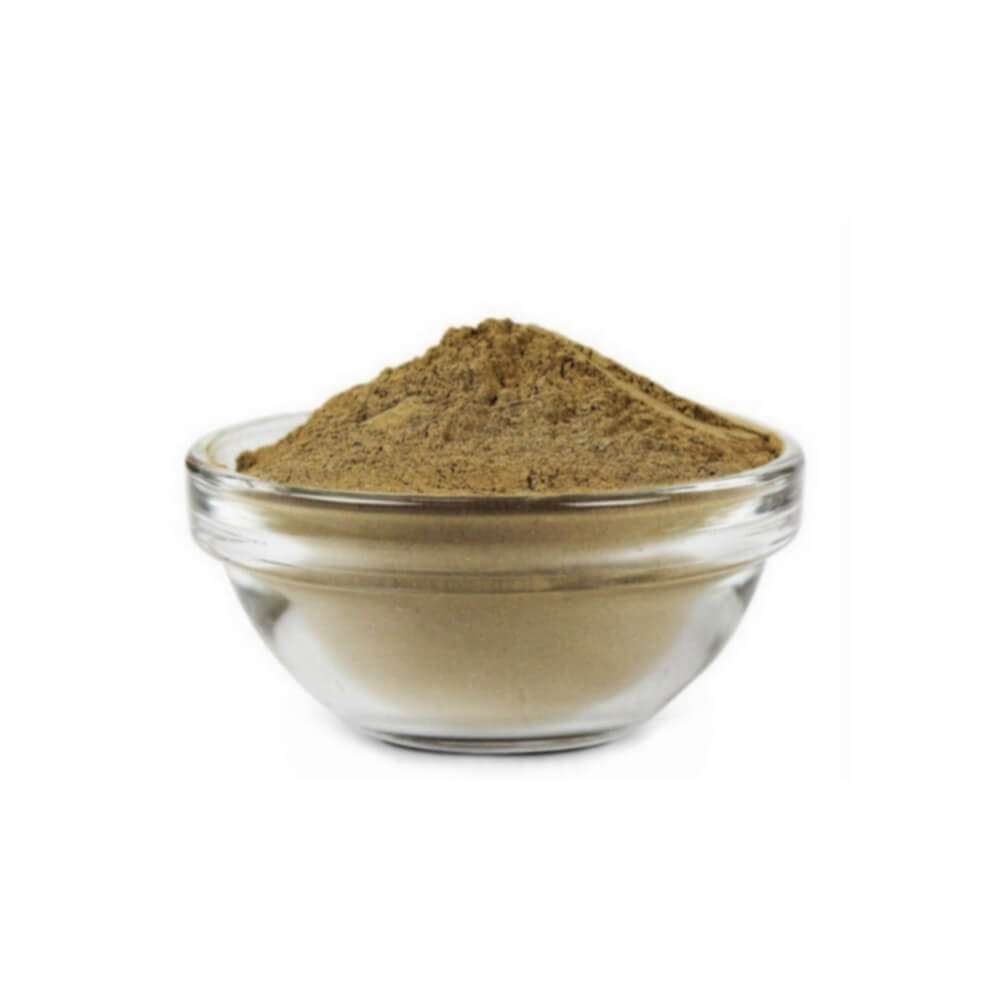
Brahmi Powder (Bacopa Monnieri)
Price range: ₦3,000.00 through ₦28,000.00



 Verified owner
Thanks. I’m satisfied with the product. A very good purchase.